
If your skin looks unusually pale or dull, you have persistent dark circles under your eyes or your hair seems to be shedding more than usual, social media may have a new explanation for you: “ferritin face”.
The term has gained considerable attention online, with people sharing photographs and videos of changes they believe were caused by low ferritin levels.
There is some genuine science behind the trend. Iron deficiency can affect the skin, hair and nails, and paler-than-usual skin is a recognised symptom of iron-deficiency anaemia. However, “ferritin face” itself is not a recognised medical condition or diagnosis.
More importantly, you cannot reliably determine your ferritin level simply by looking at your face.
So what exactly is ferritin face, which symptoms could genuinely be connected to iron deficiency, and when should you consider speaking to a healthcare professional?
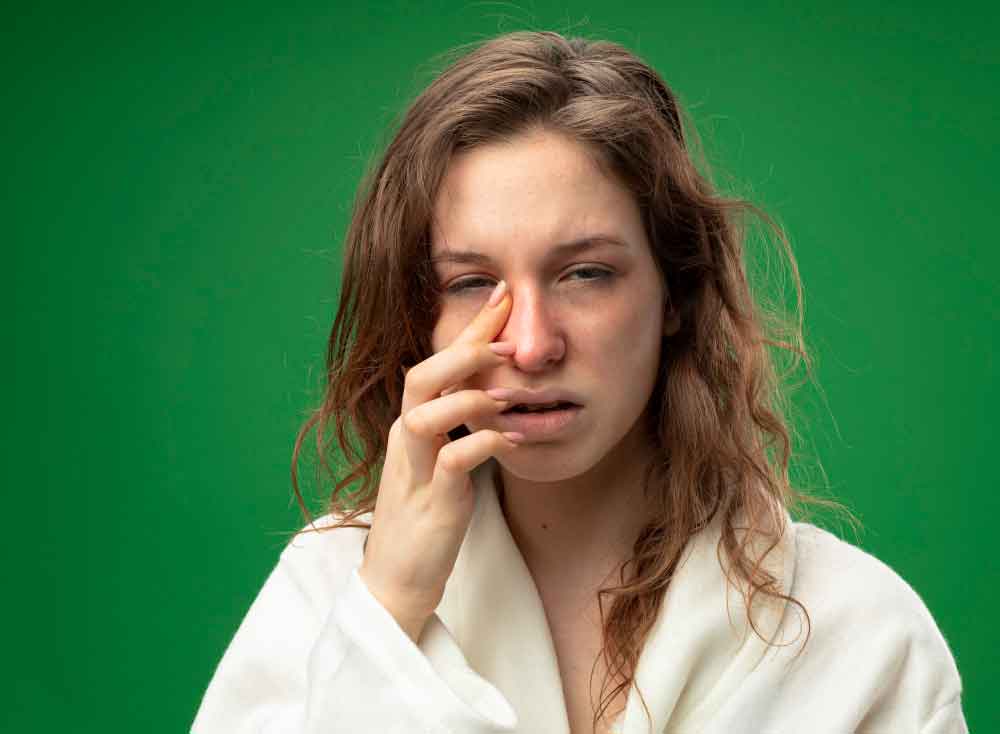
“Ferritin face” is an informal term that has become popular on social media to describe facial and physical changes that people associate with low ferritin or iron deficiency.
These are commonly said to include:
Some of these changes can occur alongside iron deficiency, but none is specific enough to diagnose low ferritin.
Dark circles, for example, can have numerous causes including genetics, allergies, ageing and lack of sleep. Dry or dull skin can similarly be influenced by hydration, skincare, hormones, nutrition and other health conditions.
The important distinction is that ferritin face is a social-media description of an appearance, rather than a medical diagnosis.
Ferritin is a protein that stores iron within the body.
Iron is an essential mineral and plays an important role in producing haemoglobin, the protein in red blood cells responsible for transporting oxygen around the body.
A ferritin blood test can therefore provide useful information about the amount of iron your body has stored.
When ferritin levels become low, it can indicate that the body's iron reserves are becoming depleted.
Importantly, low iron stores and iron-deficiency anaemia are not necessarily the same thing.
Iron stores can become depleted before haemoglobin falls sufficiently for someone to be diagnosed with anaemia. This is one reason someone experiencing symptoms may need further investigation even if a previous routine blood count has not shown anaemia.
Not as a recognised medical condition.
There is no established clinical diagnosis called “ferritin face”, nor is there one particular facial appearance that doctors can use to identify low ferritin.
There is, however, a legitimate medical issue sitting behind the social-media terminology.
Iron deficiency and iron-deficiency anaemia can cause physical symptoms. The NHS lists paler-than-usual skin among the recognised symptoms of iron-deficiency anaemia. Hair loss, ulcers at the corners of the mouth and changes to the nails can also occur.
The mistake is assuming that these symptoms automatically mean somebody has low ferritin.
A mirror can provide clues that something may have changed, but it cannot measure your body's iron stores. That requires appropriate medical assessment and blood testing.
There isn't a single appearance that identifies low ferritin.
When iron deficiency progresses to iron-deficiency anaemia, some people may notice that their skin appears paler than usual.
Pallor can also present differently depending on skin tone. Changes may sometimes be more noticeable around areas such as the lips, nail beds or inside the lower eyelid rather than across the face itself.
Some people with iron deficiency also report looking more tired or washed out. However, features such as dark circles and dull skin are extremely common and have many possible explanations.
This makes appearance alone a poor diagnostic tool.
Looking beyond someone's face provides a much more useful picture.
According to the NHS, common symptoms of iron-deficiency anaemia include:
Less common symptoms can include hair loss, a sore tongue, ulcers at the corners of the mouth, restless legs, unusual food cravings or cravings for non-food substances, and changes to the nails.
Experiencing one of these symptoms does not automatically mean you have an iron deficiency. However, persistent symptoms, particularly several occurring together, are worth discussing with a healthcare professional.
Finding an iron deficiency is only part of the picture. Understanding why iron levels are low can be equally important.
Common causes include blood loss and pregnancy.
Heavy periods are a particularly common cause of iron-deficiency anaemia. Blood loss from the stomach or intestines can also cause iron deficiency, while diet can sometimes contribute to inadequate iron intake.
Other circumstances can affect how well iron is absorbed or increase the body's requirements.
This is one reason self-treating suspected “ferritin face” with supplements isn't necessarily the best approach. If an iron deficiency exists, identifying its underlying cause matters.
Low ferritin cannot be reliably diagnosed from photographs, TikTok videos or physical appearance.
A healthcare professional can assess your symptoms and medical history and arrange appropriate blood tests.
A full blood count (FBC) is commonly used when investigating suspected iron-deficiency anaemia. Depending on the circumstances, ferritin and other measures of iron status may also be considered.
Ferritin is particularly useful because it provides information about stored iron rather than relying solely on the amount of iron circulating in the blood at a particular moment.
Blood-test results should be interpreted in context rather than treating one number in isolation.
You should not assume you need iron supplements simply because your appearance resembles photographs or descriptions of “ferritin face” online.
Iron is essential, but more is not automatically better.
If you suspect iron deficiency, particularly if you are experiencing persistent fatigue, breathlessness, palpitations, unusual hair loss or other symptoms, speak to your GP or another appropriate healthcare professional.
Testing can establish whether iron deficiency is actually present and help determine what may be causing it.
If treatment is required, the appropriate approach can then be recommended based on your individual circumstances.
Diet is an important source of iron.
The NHS identifies iron-rich foods including meat, dark-green leafy vegetables such as watercress and curly kale, pulses including beans, peas and lentils, dried fruit and foods such as bread and cereals that have been fortified with iron.
Iron absorption is affected by other components of the diet too, so someone diagnosed with iron deficiency may be given specific dietary advice alongside or instead of other treatment.
Dietary changes should not, however, be used as a substitute for investigating unexplained or persistent symptoms.
“Ferritin face” fits into a growing social-media trend of attaching memorable names to collections of symptoms or changes in appearance.
There is a positive side to this. Someone who has spent months feeling exhausted, noticing increased hair shedding or simply feeling that something isn't quite right may be encouraged to seek medical advice.
The danger comes when awareness turns into self-diagnosis.
There is no particular face shape, skin colour, eye appearance or combination of cosmetic features that proves somebody has low ferritin.
The useful conversation isn't really about whether somebody “has ferritin face”. It is about recognising potential symptoms of iron deficiency and knowing when they warrant proper investigation.
Ferritin face is a non-medical term used online to describe facial changes that some people associate with low iron stores, including pale or dull-looking skin, dark circles and a generally tired appearance. It is not a recognised medical diagnosis.
Iron deficiency can cause physical changes, particularly if it progresses to iron-deficiency anaemia. Paler-than-usual skin is a recognised symptom. However, there is no specific facial appearance that reliably identifies low ferritin.
Dark circles are frequently mentioned in discussions about ferritin face, but they are not a reliable indicator of iron deficiency. Genetics, allergies, sleep, ageing and numerous other factors can contribute to under-eye circles.
Paler-than-usual skin is a recognised symptom of iron-deficiency anaemia. However, pale skin alone does not prove someone has low ferritin or anaemia.
Hair loss can occur with iron-deficiency anaemia, although hair shedding has many possible causes. Unexplained or persistent hair loss should therefore be assessed rather than automatically attributed to ferritin.
Iron stores can become depleted before haemoglobin levels fall sufficiently to meet the definition of anaemia. Appropriate blood testing and clinical interpretation are therefore important when iron deficiency is suspected.
A blood test is required to assess ferritin levels. Appearance and symptoms can provide reasons to investigate but cannot confirm low ferritin.
It is better to establish whether you actually have an iron deficiency before starting treatment. Speak to a healthcare professional if you have symptoms or concerns about your iron levels.
“Ferritin face” may be a social-media phrase, but the health issue behind the trend deserves to be taken seriously.
Iron deficiency can affect far more than someone's appearance. It can cause fatigue, breathlessness, headaches, palpitations and other symptoms, and in some people it can progress to iron-deficiency anaemia.
Changes to your skin, hair or nails might provide a reason to pay closer attention to your health, but your face cannot diagnose your ferritin level.