
Panic attacks can feel frightening, but they are not dangerous. Understanding what is happening in your body can reduce fear and intensity.
Immediate Techniques
• Slow, deep breathing
• Grounding exercises
• Reassuring self-talk
Long-Term Anxiety Management
• Mindfulness and relaxation
• Cognitive behavioural strategies
• Regular physical activity
• Professional therapy
With the right tools, anxiety becomes manageable.
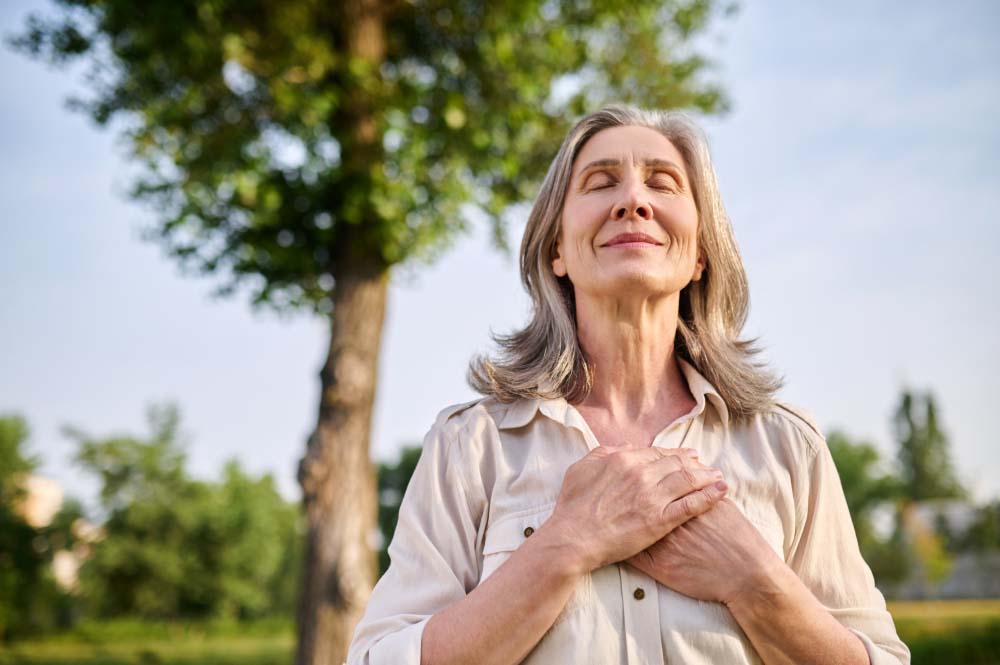
A panic attack is a sudden surge of intense fear or discomfort that can include symptoms such as a racing heart, shortness of breath, dizziness, sweating, and a feeling of losing control or danger.
Panic attacks can be triggered by stress, anxiety disorders, trauma, caffeine, lack of sleep, or ongoing emotional pressure. Sometimes they occur without an obvious cause.
Panic attacks often ease by focusing on slow breathing, grounding techniques, and reminding yourself that the symptoms are uncomfortable but not dangerous. Staying present and allowing the sensations to pass can help shorten the attack.
Most panic attacks peak within minutes and gradually pass, often lasting between 5 and 20 minutes, though the after effects may linger longer.
Long term anxiety management includes regular exercise, good sleep, stress reduction, limiting caffeine and alcohol, learning coping techniques, and seeking professional support when needed.
Yes. Controlled breathing techniques can calm the nervous system, reduce physical symptoms of anxiety, and help prevent panic attacks from escalating.
Panic attacks are not dangerous, but they can feel frightening. They do not cause physical harm, though frequent panic attacks can significantly impact quality of life.
You should seek professional help if anxiety or panic attacks are frequent, worsening, or interfering with daily life, work, or relationships.
Yes. Therapy can help identify triggers, challenge anxious thoughts, and develop coping strategies to manage panic attacks and anxiety more effectively.
Yes. Consistent routines, healthy sleep, regular physical activity, balanced nutrition, and stress management can all help reduce anxiety symptoms over time.