

Wellbeing is not a destination. It is an ongoing relationship with yourself, shaped by how you think, feel, move, rest, and connect with the world around you. In a time where life feels increasingly busy and demanding, wellbeing has become less about perfection and more about presence, awareness, and sustainable care.
At Wellbeing Place, wellbeing is viewed as a whole-life experience, bringing together practical guidance, thoughtful reflection, and accessible support. From mental wellbeing and workplace balance to emotional health and holistic therapies, the aim is to make wellbeing feel achievable, supportive, and deeply human.
Wellbeing refers to the state of feeling healthy, content, and able to cope with daily life. It includes physical health, mental wellbeing, emotional resilience, social connection, and a sense of purpose. When these areas are supported, people are better equipped to manage stress, make balanced decisions, and maintain healthier relationships.
The importance of wellbeing is explored in depth in The Importance of Wellbeing, which explains how wellbeing influences every aspect of daily life, from energy levels and emotional stability to long-term health outcomes .
Wellbeing is not about removing all challenges. It is about building the capacity to navigate them with greater clarity, calm, and self-compassion.
One of the key messages across wellbeing content on Wellbeing Place is that small, consistent actions often create the greatest change. Gentle routines, reflection, and awareness help wellbeing become part of everyday life rather than something added to an already full schedule.
Articles such as Steps to Wellbeing explore how creating space for rest, reflection, and balance can support a healthier and more grounded life. You can explore this and other supportive articles through the Wellbeing Place articles hub, which brings together practical guidance and thoughtful insights in one place: Explore all wellbeing articles
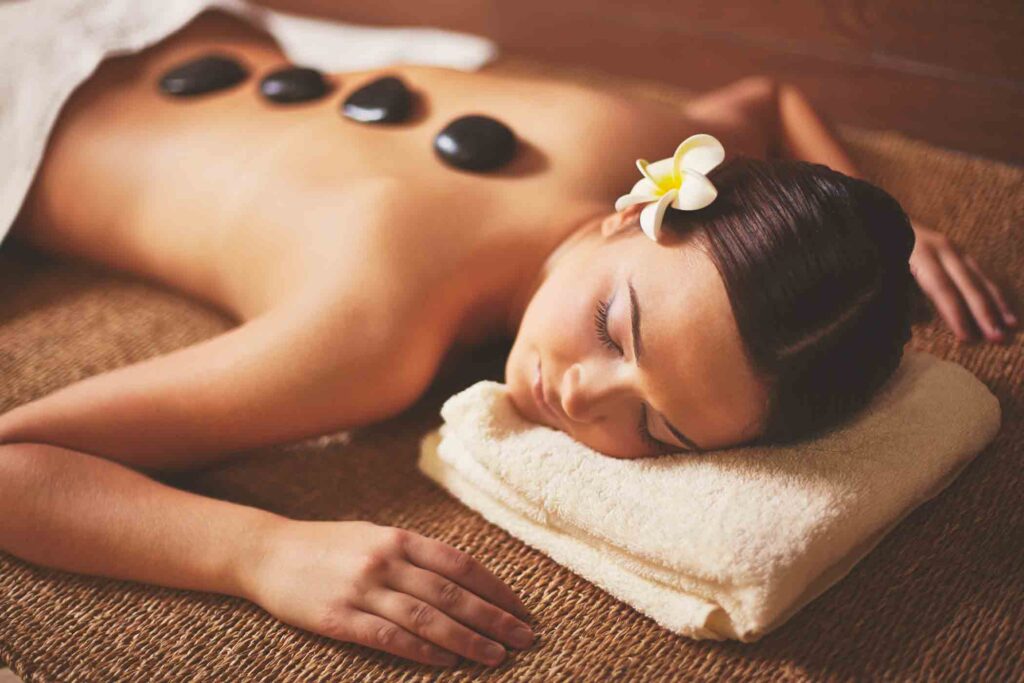
Mental wellbeing plays a central role in how we experience life. It affects how we think, feel, respond to stress, and relate to others. Topics such as anxiety, burnout, emotional resilience, and work-life balance are explored across multiple articles, offering both understanding and reassurance.
Wellbeing Place takes a compassionate approach to mental health, recognising that improving mental wellbeing does not mean feeling positive all the time. It means learning how to cope, adapt, and care for yourself through life’s natural ups and downs.
By addressing mental wellbeing alongside physical and emotional health, a more balanced and realistic approach to wellbeing emerges.
Work is a major part of many people’s lives, which makes workplace wellbeing increasingly important. Feeling supported, valued, and able to maintain boundaries at work directly impacts mental health, productivity, and long-term wellbeing.
Content on Wellbeing Place explores themes such as burnout, work-life balance, and workplace wellbeing, helping individuals and organisations understand why wellbeing should be a priority rather than an afterthought.
When wellbeing is integrated into daily routines, both at home and at work, it becomes easier to sustain healthy habits and avoid long-term exhaustion.
Wellbeing is not one-size-fits-all. For some people, holistic approaches such as body-based therapies, mindfulness practices, and energy-focused treatments play an important role in feeling balanced.
Wellbeing Place also explores alternative and complementary approaches, offering insight into how different therapies can support the connection between mind and body. This broader perspective allows people to discover what resonates with them personally, without pressure or expectation.
One of the most important things to understand about wellbeing is that it is not something to complete. It evolves as life changes. Needs shift, priorities change, and wellbeing practices often need to adapt.
Wellbeing Place supports this evolving relationship by offering articles that educate, reassure, and empower. Whether someone is seeking clarity, support, or simply a reminder to slow down, wellbeing content becomes a steady resource rather than a set of instructions.
By approaching wellbeing with curiosity rather than judgement, it becomes easier to listen to your needs and respond with care.
Wellbeing is the overall state of feeling healthy, balanced, and able to cope with daily life. It includes mental, emotional, physical, and social wellbeing, as well as a sense of purpose and fulfilment.
Wellbeing affects how we manage stress, make decisions, maintain relationships, and care for our health. When wellbeing is supported, people tend to feel more resilient, focused, and emotionally balanced.
Small, consistent actions such as regular movement, reflection, rest, and setting boundaries can significantly improve wellbeing over time. Wellbeing does not require perfection, only intention.
Mental wellbeing influences how we think, feel, and respond to challenges. Supporting mental wellbeing helps improve emotional resilience, reduces stress, and supports healthier physical outcomes.
Yes. Wellbeing practices help reduce stress, support recovery from burnout, and build long-term resilience. Understanding the signs of stress and responding early is key to protecting wellbeing.
Yes. Wellbeing evolves as life circumstances change. What supports wellbeing at one stage of life may look different at another, which is why flexibility and self-awareness are important.
Wellbeing Place brings together articles, resources, and insights designed to support balanced living. Exploring a range of wellbeing topics allows individuals to find what feels right for them at their own pace.