
Finding the right support for your wellbeing isn’t always straightforward. There’s no shortage of practitioners offering everything from holistic therapies to structured health programmes but knowing who to trust, and what you actually need, can feel overwhelming.
If you’re searching for meaningful ways to improve your wellbeing in Wales, this guide will help you cut through the noise. Whether you’re looking to reduce stress, improve your health, or simply feel more balanced, understanding your options is the first step toward making the right choice.
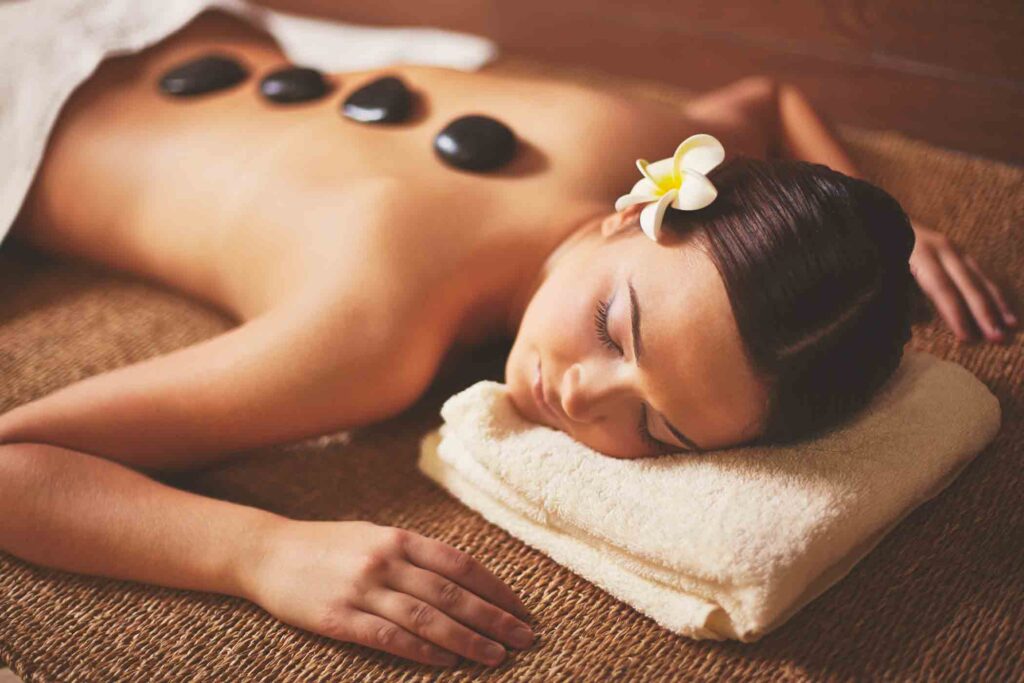
Wellbeing is often used as a catch-all term, but at its core, it’s about how you feel physically, mentally, and emotionally.
It goes beyond the absence of illness. True wellbeing includes:
For many people, improving wellbeing isn’t about a single solution. It’s about finding the right combination of support that fits their lifestyle.
Across Wales, more people are actively seeking support for their health and wellbeing. This shift reflects a broader understanding that preventative care and mental health matter just as much as treating illness.
As a result, the number of wellbeing practitioners has grown significantly. You’ll find professionals offering services such as:
While this variety is a positive sign, it also makes choosing the right practitioner more important than ever.
Not all practitioners offer the same kind of support. Understanding the differences can help you narrow your search.
If you’re dealing with stress, anxiety, or emotional challenges, trained therapists or counsellors can provide structured, evidence-based support.
Practitioners such as massage therapists, physiotherapists, or movement specialists focus on improving physical wellbeing, reducing pain, and enhancing mobility.
These professionals often take a whole-person approach, combining physical, emotional, and sometimes spiritual elements. This might include practices like reflexology, reiki, or acupuncture.
If your goal is to build healthier habits or create long-term change, a wellbeing coach can help you stay accountable and focused.
This is where many people get stuck. A polished website or strong social media presence doesn’t always reflect the quality of care you’ll receive.
Here’s what actually matters:
Before you start searching, be honest about what you need. Are you looking to manage stress, improve physical health, or address a specific issue?
The clearer you are, the easier it is to find the right fit.
Check that the practitioner has appropriate training or certification for the service they offer. This is especially important for anything related to mental or physical health.
Different practitioners work in different ways. Some are highly structured, while others are more intuitive or holistic. Neither is inherently better but one may suit you more.
This is often overlooked. If you don’t feel comfortable or understood, the experience is unlikely to be effective. Trust your instinct.
Clear pricing, honest descriptions of services, and realistic expectations are all signs of a credible practitioner.
Searching online can quickly become overwhelming. Listings are scattered, and it’s not always easy to verify credibility.
This is where a dedicated platform like www.wellbeingplace.co.uk becomes valuable.
Instead of sifting through endless results, you can:
For anyone serious about improving their wellbeing, having a central, curated resource makes the process far more efficient.
Not all practitioners operate to the same standard. Being aware of warning signs can save you time and potentially your wellbeing.
Be cautious if you notice:
Wellbeing is personal. You deserve support that feels safe, credible, and aligned with your needs.
Choosing a practitioner is only part of the process. The real value comes from how you engage with the support.
To get the best results:
Wellbeing isn’t something you fix overnight. It’s something you build step by step.
Improving your wellbeing starts with making informed choices. With so many practitioners available across Wales, the key is not to rush, but to choose carefully.
When you understand your needs and know what to look for, finding the right support becomes far less complicated. And with the right practitioner, the impact on your health and overall quality of life can be significant.
A wellbeing practitioner is a professional who supports your mental, physical, or emotional health through various methods, including therapy, coaching, or holistic treatments.
Start by identifying your main goal whether it’s stress relief, physical health, or emotional support—then choose a practitioner who specialises in that area.
Some services, such as counselling or physiotherapy, are regulated. Others, particularly holistic therapies, may not be, so it’s important to check qualifications and experience.
This varies depending on the individual and the type of support. Some people notice changes quickly, while others benefit from longer-term engagement.
Yes, many people combine different approaches, for example, therapy and physical treatments as long as they complement each other.